What This Job Actualy Is
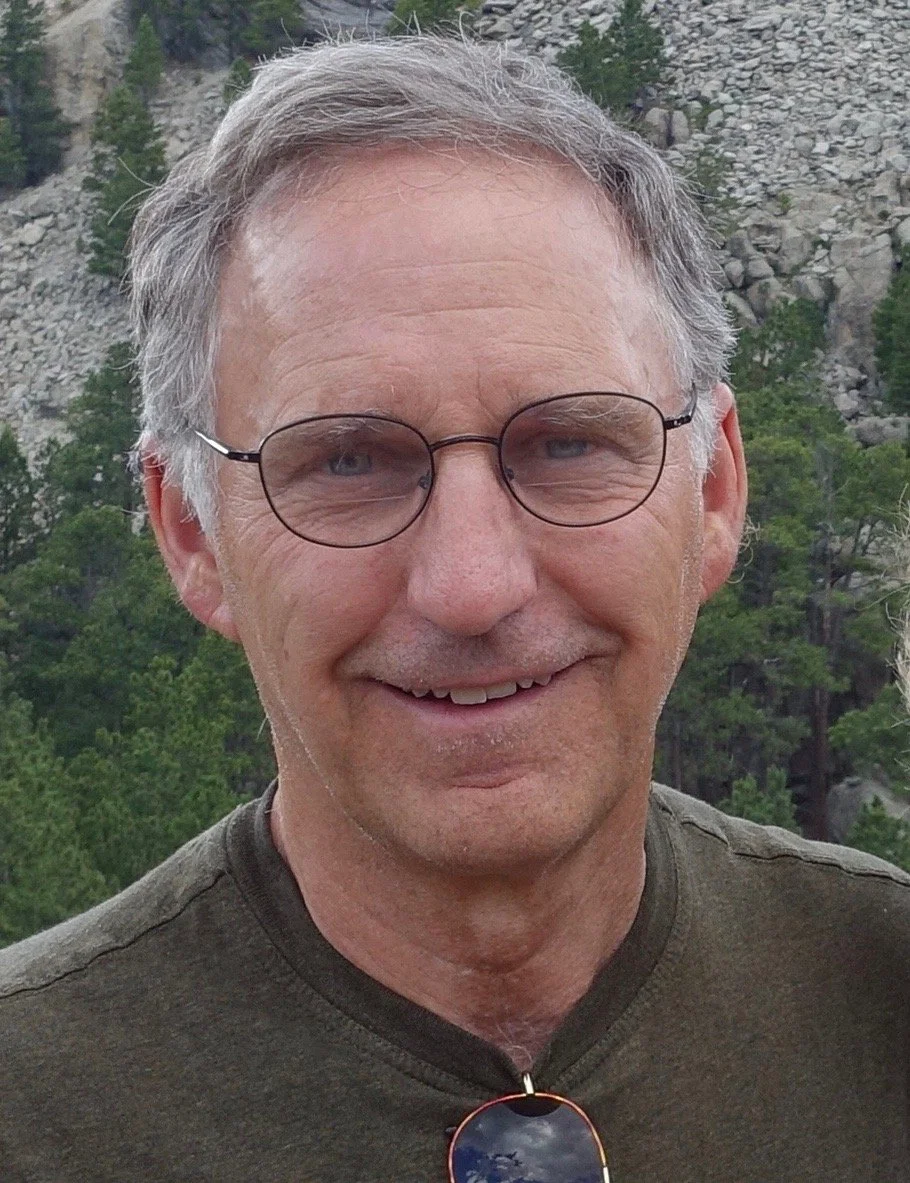
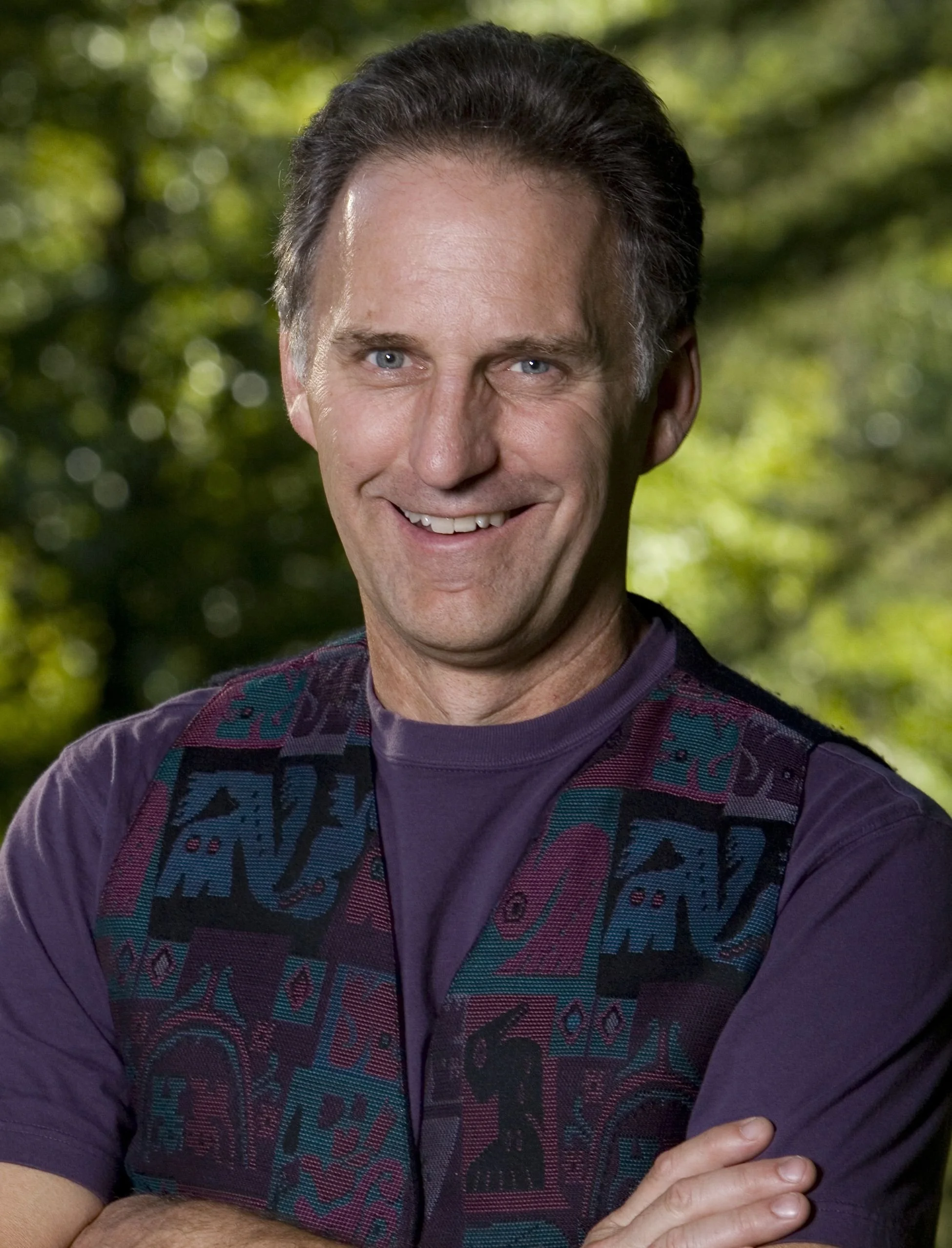
Being your commissioner is demanding, compelling, and incredibly wide ranging. In my first term I have worked to increase housing supply, keep healthcare accessible, and attend to our smallest communities. There is more to do, and I am asking for four more years to continue doing my best.
I studied physics in college but I don’t consider myself a scientist. I am, however, inherently curious. I am someone who goes to meetings because the problems are genuinely interesting, who reads the technical reports, and who thinks the details matter. When the conversation in the commissioner's office turns to renewable energy, wildfire risk, water rights, or health care costs, I do not reach for talking points. I reach for what I actually know. And when I don’t know enough, I listen to everyone involved and reach out to get the facts.
A Real Decision
I faced a tough decision while I was chairman of the Board of Directors at Mid-Columbia Medical Center which was then affiliated with Oregon Health Sciences University. The affiliation was supposed to bolster the resources available to MCMC and increase staffing. Instead, after a few years the financial picture was getting weaker by the month and the expected support had not materialized.
As I wrestled with the problem, I realized that I was following a practice called discernment that I had learned from the Jesuits. When wrestling with opposing choices, the basic idea of discernment is to first get one’s own desires out of the picture. Since parts of the hospital benefited from OHSU while other parts were being harmed, and large institutions are justifiably loath to change, I knew I needed to let go of any personal expectation that my decision would be popular.
The next step was to dig deeply into the details of the contract with OHSU and try to negotiate ways to resolve problems while staying affiliated. After a key provision allowing OHSU interns to deliver babies at MCMC fell through, I kept hearing from others that the problem stemmed from personality conflicts which to me sounded more like an excuse than an explanation. My curiosity into how things work extends into the structure and culture of organizations. Fundamentally, as the agreement was written, the goals of OHSU as a research institution did not align with the goals of MCMC as a rural acute care hospital. After more failed efforts to find a workable solution, I chose to start the process to separate MCMC from OHSU even though I wished it had turned out differently. One has to put one’s personal interest aside when working for the public good.
Roots
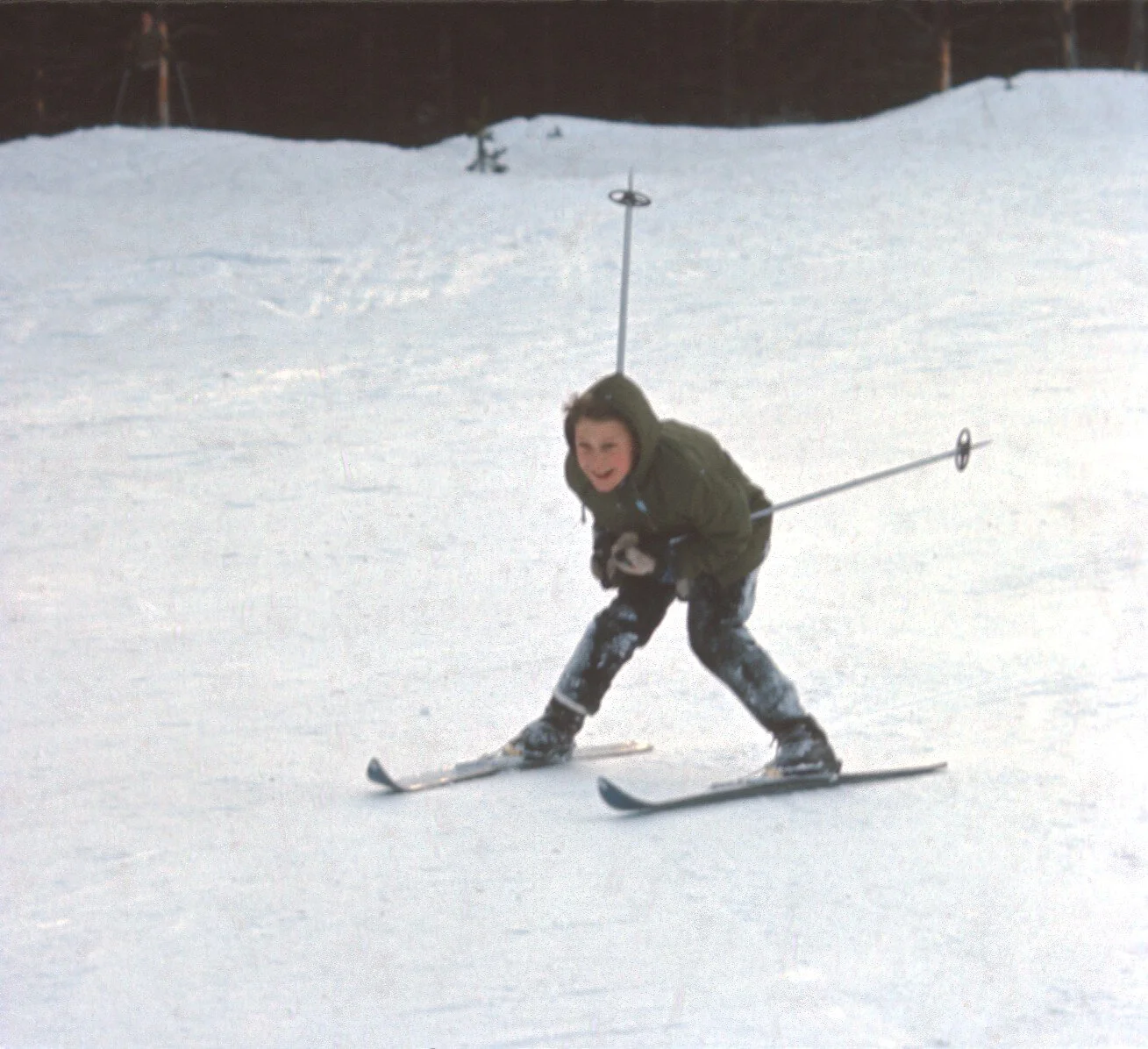
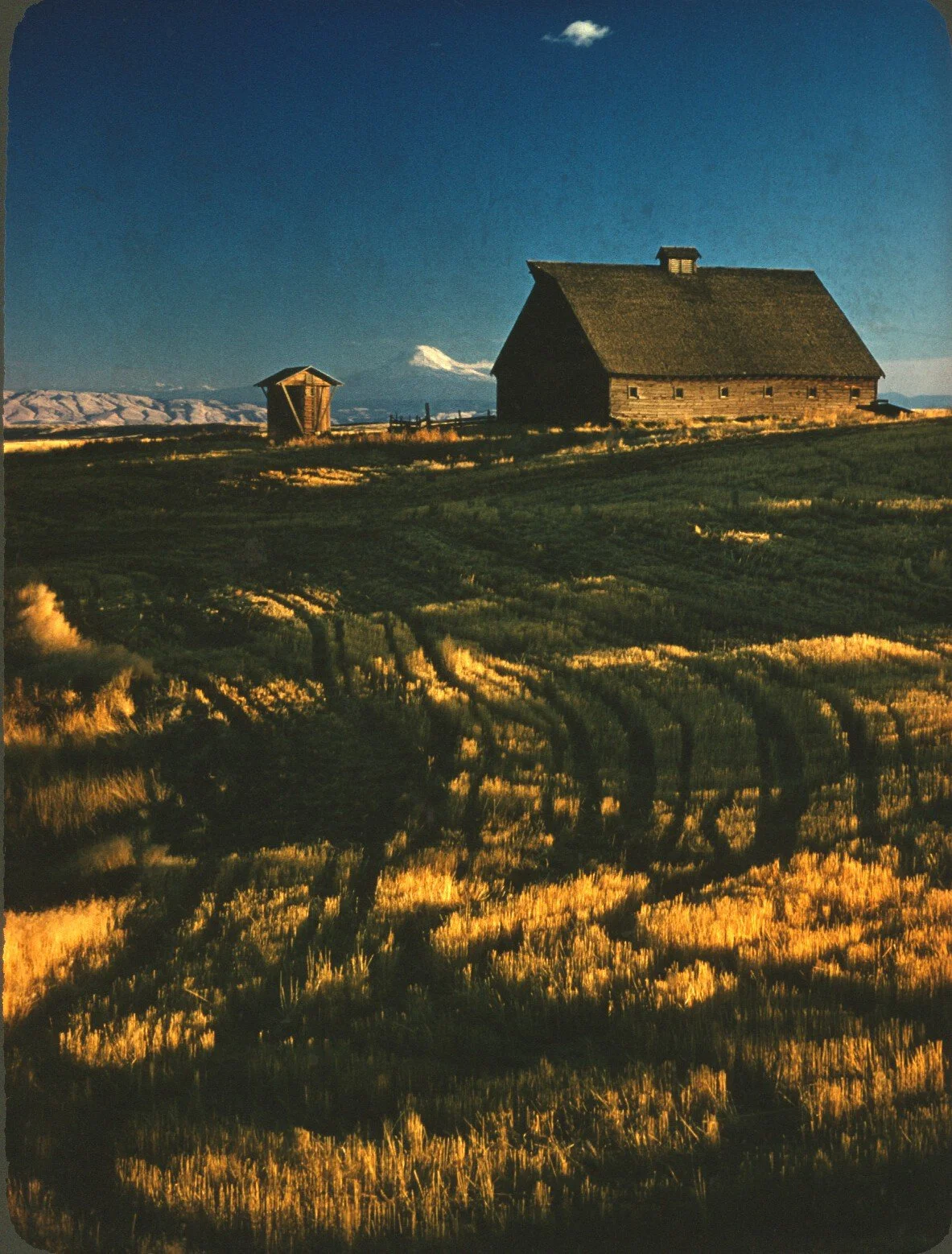
I grew up in The Dalles, contained by the ridges of the Columbia Gorge. My parents, grandparents, cousins, school, church, and friends were all within walking or bicycle distance. I am deeply grateful that my life’s journey has brought me back to Wasco County. I have learned a lot from my travels and adventures in far away places and feel compelled to give back to the community that raised me.
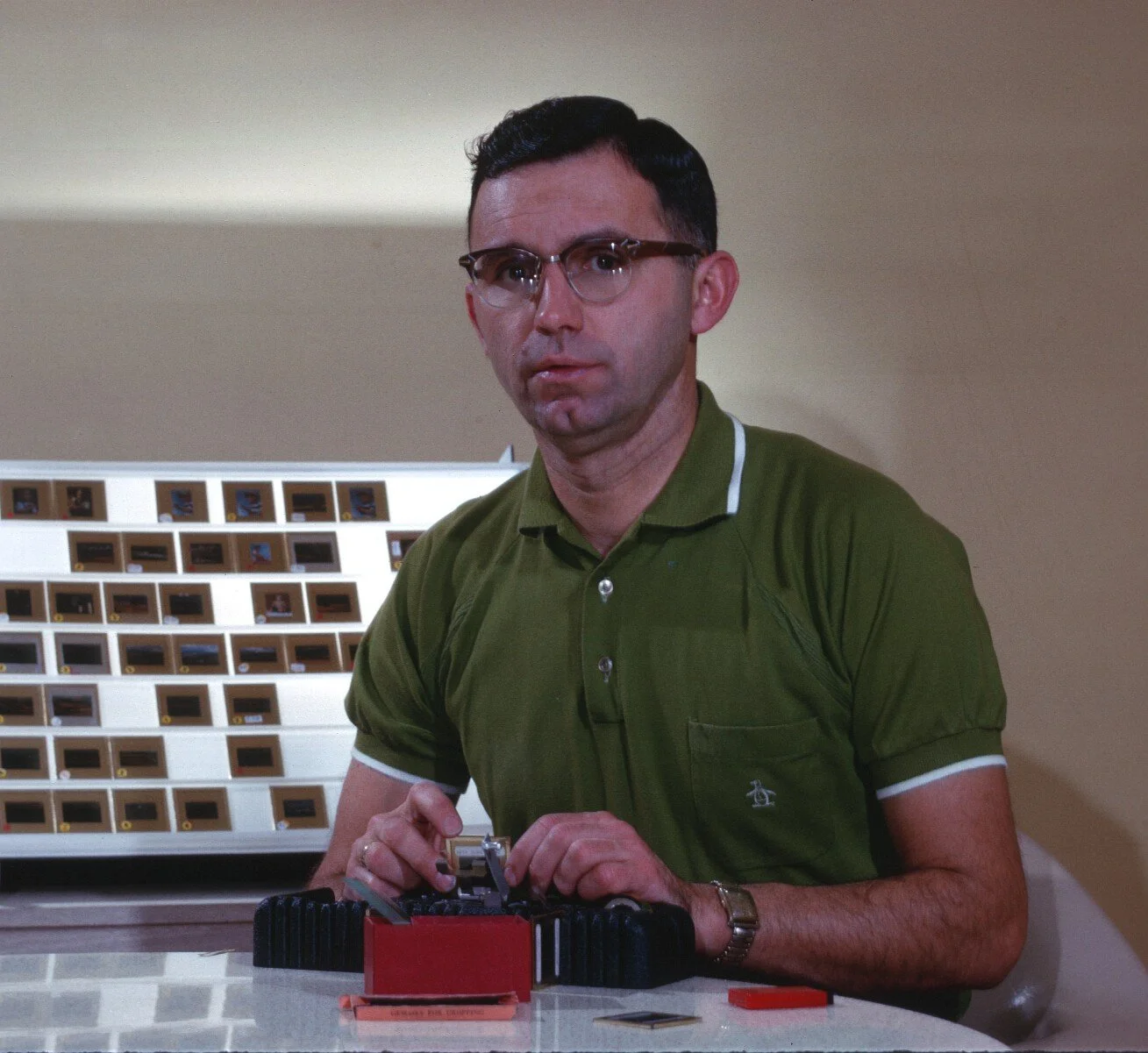
My father, Minor Brady, ran Brady's Market — where Farm Stand is now. Watching him work, I learned that you treat people with care and respect, and you take responsibility for your decisions. I worked in his orchard behind Dry Hollow School, where I learned that honest labor has its own quiet reward. When he served on the school board, I saw that leadership is just another name for service. I have not found a reason to revise any of those lessons.